Trending

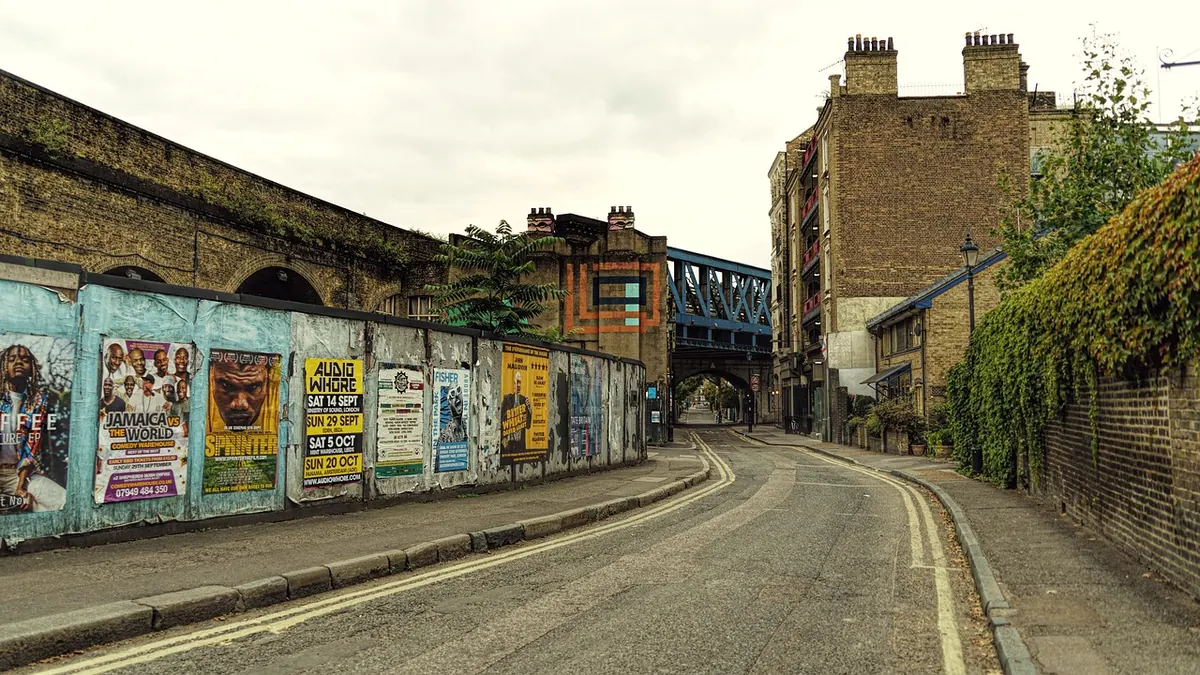
London is a hard city to draw badly and an easy one to draw well. Give it twenty minutes on a bench and something will happen: a bus swings round, a cyclist stops, light shifts across Portland stone. The real trick is picking a spot where you can sit comfortably, see clearly and work without being edged off the pavement. These eight locations all pass that test, and each note below covers the crowds, the seating and the hours that suit a sketchbook best.
The stretch from the London Eye eastwards hands you everything at once: river traffic, the National Theatre's concrete terraces, the Oxo Tower's brick bulk, and the City stacked up across the water. Benches line the river wall, and the upper terrace of the Royal Festival Hall is a calm spot with a long view. The steps below the National Theatre are popular with sketchers but unforgiving on the back after an hour.
Weekday mornings are quietest. Weekends get dense from around midday, and the Undercroft skateboarders add constant movement and noise. Late afternoon in summer gives warm light on the water. There are toilets and cafés inside the Festival Hall, which matters more than it sounds on a cold day.
The west front from Ludgate Hill is the postcard view, and worth drawing once. Better, though, is the roof terrace at One New Change, a few minutes' walk away and generally open to the public during the shopping centre's hours. From up there the dome fills the frame and the City's towers layer up behind it.
Seating is thin: a few benches, low walls, and standing room when it's busy. Weekday mornings are calm, lunchtime brings office workers, and the City at weekends is quieter than most visitors expect. Check opening hours before you travel, as they follow the centre rather than the weather.
Sketch the bridge from the Tate Modern's riverside terrace or the embankment near the Globe. The view north to St Paul's is one of the best free compositions in London: a long low horizontal with the dome resting on it, and the bridge's white cables cutting across. Stay on the embankment path. The Thames foreshore is not a casual sketching spot; access is restricted and the tide makes it genuinely unsafe.
The bridge itself is a conveyor belt of tourists by mid-morning. The Tate terrace is quieter at opening time, and there are benches, cafés and toilets inside. Early morning or the hour before dusk, when the bridge lights come on, are the two best windows.
Water, narrowboats, brick wharves and willows. Little Venice is the gentle end, with benches around the junction and plenty of room to set up without apology. Camden Lock is the opposite: loud, packed and excellent if drawing people is your thing. The towpath between the two gives you locks, bridges and reflections without moving more than a few hundred metres.
Mind your step. The path narrows in places and cyclists use it as a commuting route. Go on a weekday morning for Little Venice, or a Sunday morning for Camden before the market reaches full pitch.
Victorian ironwork, painted arches and a glass roof that turns grey light into something worth drawing. On weekdays it belongs to the lunch trade. At weekends the market is largely closed and the lanes around it — Cornhill, Lime Street, the alleys behind — are close to empty, which suits an unhurried architectural study.
Benches and steps around the market, plus a handful of seats in the surrounding churchyards, give you somewhere to perch. Food and drink are limited at weekends, so bring water. Pair it with the Lloyds building and the older lanes nearby for a solid half-day of material.
Colonnades, twin domes and the river opening out behind them. Greenwich gives you space that central London rarely offers: wide paving, grass, benches and long sightlines. The crowds collect around the Cutty Sark and the market, while the college's colonnades stay comparatively peaceful. If you want the whole composition in one frame, the riverside path at Island Gardens looks back across the water at the full set piece.
Mornings suit the light coming up the river. Sunday afternoons are the busiest, so arrive early, sketch, then eat.
This is not a city sketch: it is trees, slopes, ponds and the skyline from Parliament Hill, with a raised pergola of columns and overgrown planting tucked away on the western edge near Inverforth House. Benches are plentiful on the hill and around the ponds. Sunny weekend afternoons fill up; a weekday morning may give you a whole bench to yourself.
Bring something waterproof to sit on, because the Heath holds damp long after rain. Spring and autumn give the best colour, and early morning brings mist over the ponds.
Colour, movement and armfuls of stock being carried past you. It is narrow and genuinely busy by mid-morning, so work small and fast: a pocket book and a pen rather than an easel. Sketch from the pavement edges or the steps near the church at the top of the road, and take a café seat when you need to warm up.
Arrive as the stalls go up and you will get a clear view of the barrows before the crush. On weekdays the same street is quiet, with painted shopfronts and shutters that reward a slower, more detailed drawing.
A few habits turn a scattered hour into a proper session.
Ask before drawing someone close up, and if they say no, put the page away. Long sessions on cold steps stiffen backs and wrists; break every half hour, stand, walk, and look at something at a different distance. If you have a condition that makes long periods of sitting or standing difficult, take advice from a healthcare professional before planning a full day out.
The most useful thing you can do with this list is not tick it off. Choose a single spot, sketch it on three separate visits in different weather and different light, and you will learn more about drawing a city than you would from ten new locations. The South Bank at 8am in February and the South Bank at 6pm in July are, for sketching purposes, two entirely different places.
Photo: jplenio / Pixabay