Trending

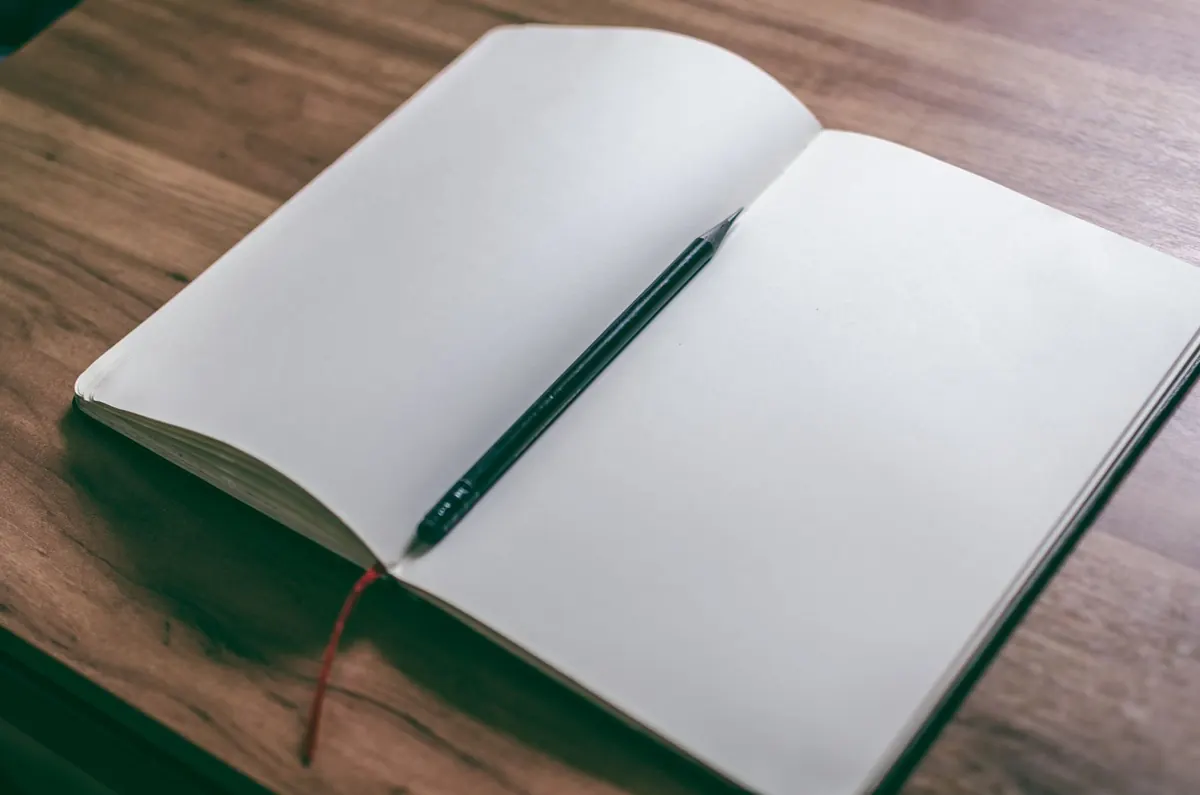
Most sketchbook habits do not end with a dramatic decision to give up. They end quietly, on a Wednesday, when you are tired, the light is poor and the blank page suddenly looks like homework. Three weeks later the book is still in your bag, still empty, and you feel faintly guilty every time you notice it.
The fix is not more discipline. It is a smaller, clearer definition of what counts as a sketch, and a routine that survives bad days as well as good ones.
Two mistakes cause most of the damage. The first is aiming too high: a full page, finished, in colour, every single day. That works beautifully for a fortnight and then collapses the moment life gets busy, because anything that takes an hour cannot be a daily habit for most people.
The second mistake is being vague. "I'll sketch more" gives you nothing to do at nine in the evening when you are deciding between the sofa and the sketchbook. A habit needs an instruction attached to it, not an intention.
There is also a quieter problem: comparing your everyday pages with the polished work people post online. Those pages are usually the best ten minutes of someone's month, not their Tuesday. A page a week drawn honestly from life will move your drawing on faster than a page a day copied from a screen.
Before you plan anything else, write down your minimum. A minimum session should be so small that you would not mind doing it while the kettle boils. Mine is one object, five minutes, pen only. Yours might be any of these:
Notice what these have in common. They are specific, time-limited and almost impossible to fail. None of them requires inspiration, good paper or a clear desk. That is the point.
Friction is what kills habits, so make the sketchbook the easiest thing in the room to pick up. Keep one book on the go, not four. An A5 or A6 hardback is ideal because it fits in a coat pocket and does not need a table. Clip a pen to the cover so you are never hunting for one.
If you use watercolour or ink wash, keep a small tin and a water brush with the book, but only if you genuinely reach for them. A kit you have to assemble is a kit you will skip.
Then leave the book out. On the arm of the sofa, on the corner of the kitchen table, on your desk next to the keyboard. A sketchbook in a drawer is a sketchbook you forget.
Rather than picking a time of day, pick a trigger. After the first coffee. While the pasta cooks. On the bus, once you have sat down. Because the trigger is already part of your day, you do not have to remember the habit separately — you just add five minutes to something that happens anyway.
On days when you have a little more energy, this structure removes all the small decisions that slow you down:
Ten minutes, one page, no erasing. Resist the urge to tidy anything up afterwards; the wobbly lines are the useful part, because they show you what you actually saw.
A daily habit is really a weekly one. Aim for five sessions out of seven and treat the other two as planned rest, not failure. Five short sessions a week comes to under an hour of drawing, which is a far more honest target than an hour a day.
Themed weeks keep you interested without adding pressure. Spend a week on hands, a week on chairs, a week drawing only with line and no shading. Repetition of a single subject teaches you more than a scatter of unrelated studies, and you will see the improvement when you flick back.
Choose a number you can hit in a bad month. Twenty sessions is a strong month; ten is still a month of drawing. Write the target down somewhere visible and review the book at the end of each month, laying out three or four pages side by side. Half-filled pages you can see beat a perfect book you are saving for a good day.
Missing one day is nothing. Missing a week is where habits tend to die, usually because of a vague sense that you have already failed. Two rules help.
Never miss twice. If yesterday went past without a sketch, do the smallest possible version today — one blind contour, two minutes, done.
Do not backfill and do not start a new book. Trying to catch up on missed pages turns drawing into admin. And the tempting fresh sketchbook that promises a clean start is the same trap in a nicer cover. Keep the messy one going; the scruffy pages are evidence that you turned up.
If the habit has gone joyless, change one variable rather than stopping: a different medium, a different subject, drawing only from life for a week. Usually it is boredom, not burnout.
Keep it dull and repeatable. Monday to Friday, five minutes with one object after your morning coffee. Saturday, one fifteen-minute study of something with more detail in it. Sunday, rest, or flick back through the week with a cup of tea.
That is five or six sessions, roughly forty-five minutes of drawing, and it will hold far better than any plan that depends on finding a free afternoon. Your sketchbook is not a portfolio. It is where your eye gets better, one unremarkable page at a time.
Photo: MESSALA CIULLA / Pexels