Trending

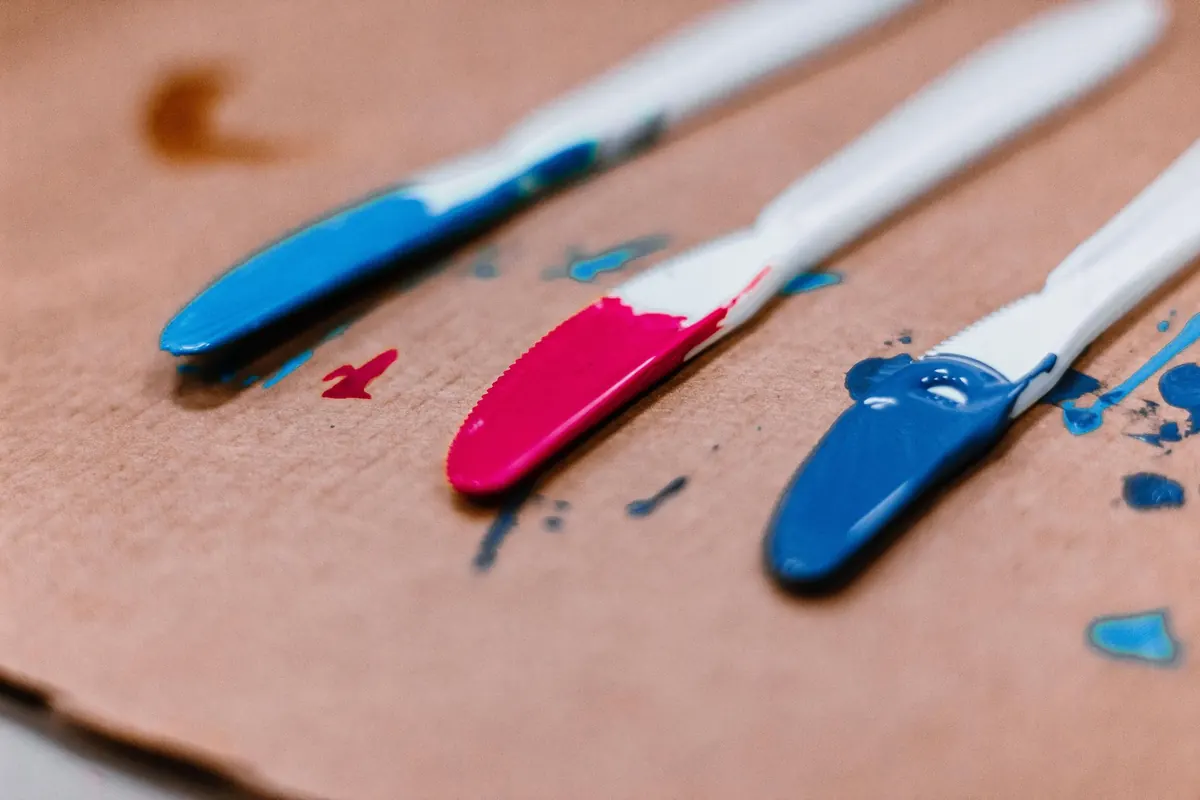
Something useful happens when you take options away. Hand yourself thirty tubes and you will spend the first twenty minutes dithering, squeezing out colours you never use and quietly avoiding the ones that scare you. Hand yourself three and you start looking at the subject instead of the palette.
The three-colour challenge is easy to state and surprisingly hard to do well. Choose three paints. Sketch a scene. Use nothing else. No black, no borrowed tube of purple, no quiet cheating. Add white if you are working in opaque paint, or use the white of the paper if you are sketching in watercolour.
It is not a party trick. It is the quickest way to find out what pigments actually do when they have to earn their place on the palette.
With three colours, every mix is a decision with consequences. You cannot reach for a ready-made green, so you have to think about which yellow and which blue will get you there, and how much red to add when the result is too sharp. That thinking is where the learning happens.
A limited trio also forces you to lean on value. Most scenes read convincingly because the lights, mid-tones and darks are in the right order, not because the hues are accurate. When your colour range is narrow, tone becomes the thing you notice, and your sketches start to hold together from across the room.
There is a bonus for anyone who works in a sketchbook: sketches made with the same three colours look like a set. Flick through the pages and the series has a mood, rather than a jumble of unrelated experiments.
Pick pigments that mix cleanly with one another. Two reds that both lean blue, or a blue and a yellow that make a dull olive, will leave you fighting the palette all afternoon.
A warm red, a cool blue and a mid yellow covers most ground: cadmium red, ultramarine and cadmium yellow medium, for example. Red and yellow give you oranges, red and blue give you soft violets, blue and yellow give you greens. The greens will be muted rather than zingy, which is usually closer to real foliage than a bright tube green anyway.
You can also build a trio around the scene. If a subject is mostly blue, choose the blue you want and two colours that support it.
Start with value. Before you draw anything, mix a light, a mid and a dark from each of your three colours. Squint at the scene and decide which of those nine notes belongs where. The drawing almost falls into place by itself.
Neutralise on purpose. Greens that look like plastic can be tamed with a touch of red. Oranges that shout can be calmed with a little blue. A mix of all three pigments usually lands on a warm or cool grey depending on the proportions, which is exactly what you want for walls, stone and overcast skies.
Respect tinting strength. Phthalo blue, alizarin crimson and most modern magentas are powerful. Pick them up with the very tip of the brush and add more only if you must. Ultramarine and yellow ochre are far more forgiving and can be mixed generously.
Keep a swatch strip. Beside the sketch, lay down a row of your mixes with their names or a quick note. It becomes a reference you can trust, and it takes ninety seconds.
Work through these in order, or pick the one that fits where you are. Each one nudges you towards a different mixing problem.
A good variation: sketch the same scene twice in one week with two different trios, then compare them side by side.
Muddy passages usually mean too many colours mixed together with too much water and too little thought. Scrape back, let it dry, and rebuild with one clean layer. Chalky, weak mixes come from over-thinning or from adding white too early; add white last, in small amounts. If everything on the page looks the same, you have probably matched values too closely, so push one area much darker and leave another almost untouched.
Keep the trio in a small tin so the decision is already made when you sit down. Sketch for forty minutes, then spend two minutes writing on the back: the three pigments, the paper, the time taken and one thing you would change. Do this once a week for a month and the notes start to teach you more than any new tube of paint will.
When you have completed a few, lay the sketches out together and look at them as a group. If they hold together as a set, your colour thinking is improving. If one stands apart, ask what the trio did differently: that answer is the next challenge.
Photo: Luis Quintero / Pexels